
A Designer’s Honest Take for Real Kitchen
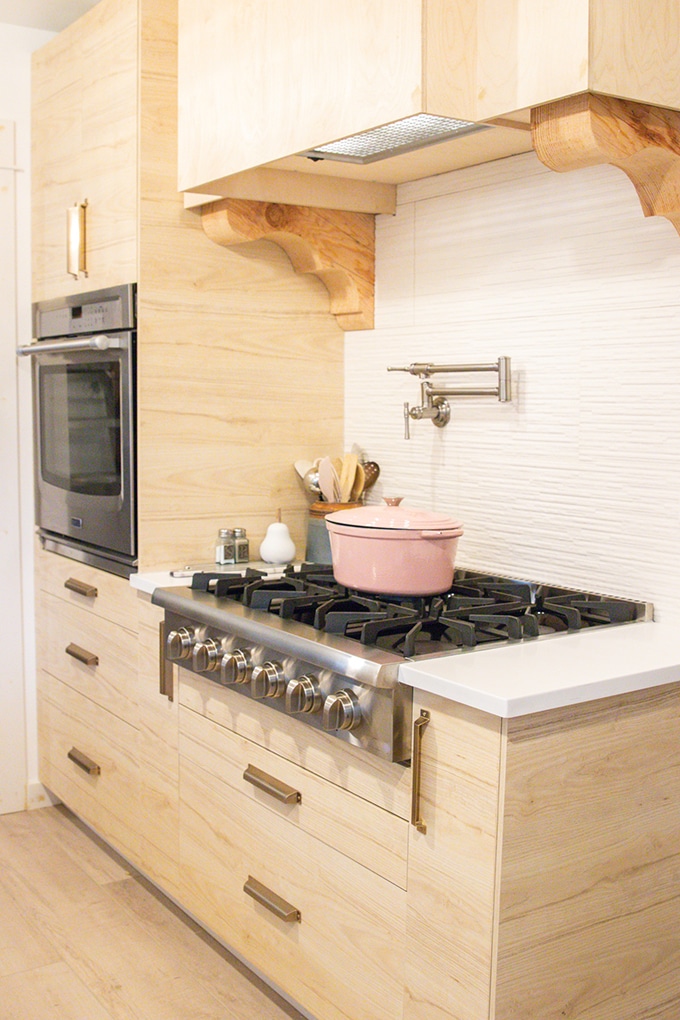
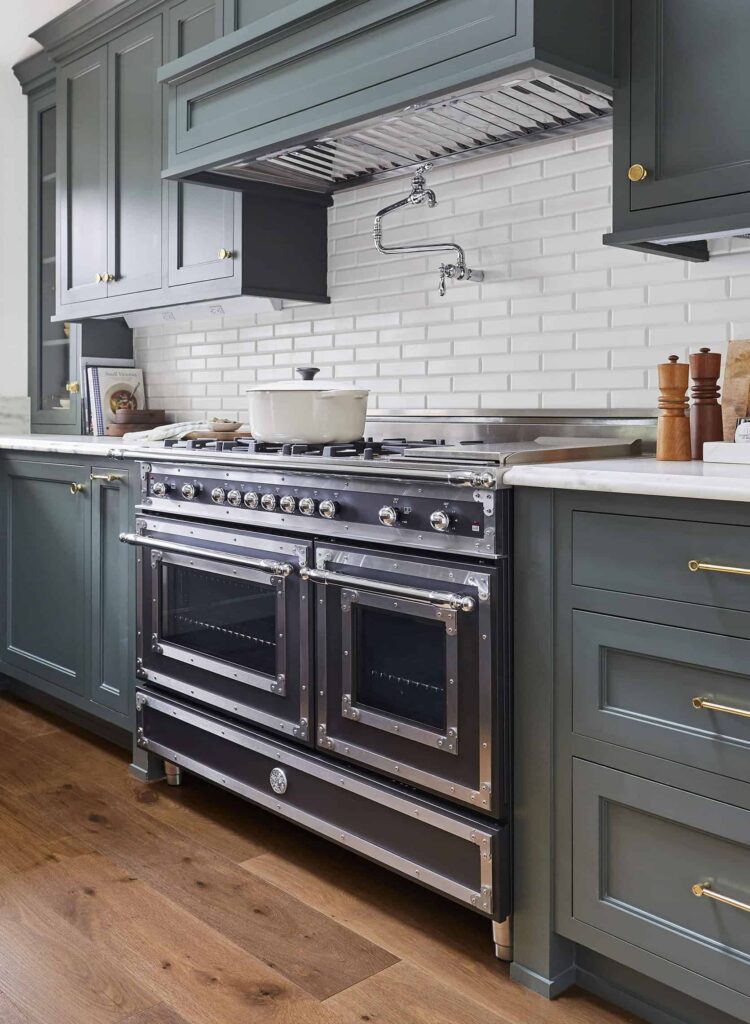
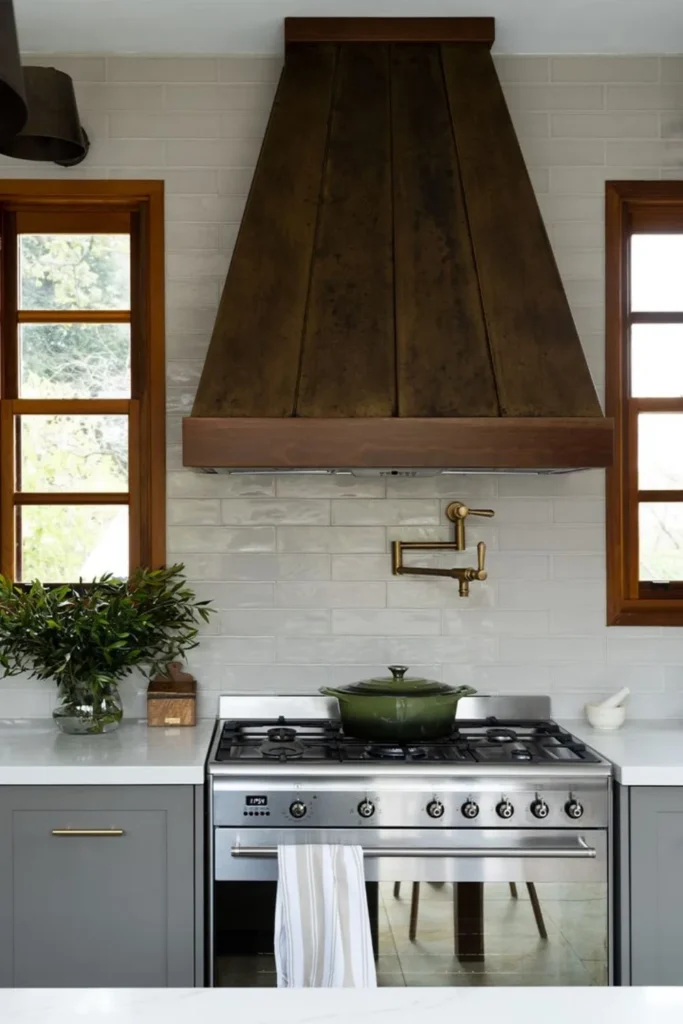
If you’ve spent time on Pinterest or touring new homes in St. Augustine, you’ve likely noticed one thing: pot fillers are everywhere. They look beautiful, photograph well, and bring a touch of luxury to kitchens.
But here’s the truth I share with my clients: a pot filler sounds great in theory, but it isn’t always the right choice for every home, cook, or budget.
Let’s break it down as if we were sitting in your kitchen discussing your renovation plans.
What a Pot Filler Actually Does
(and Doesn’t Do)
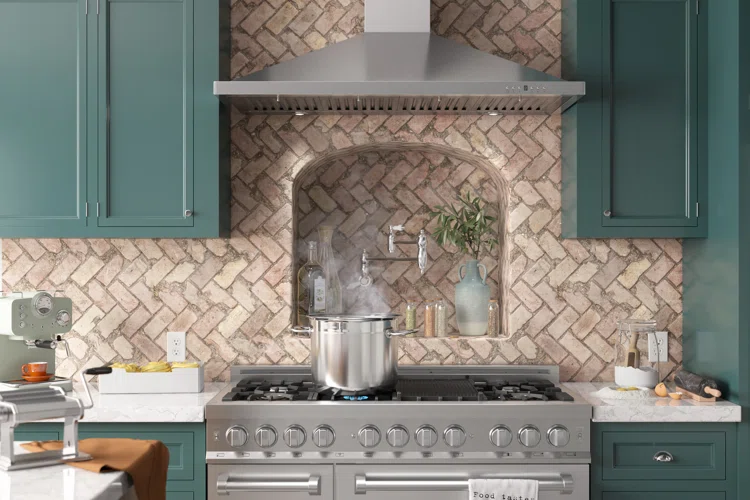
A pot filler is a cold-water faucet mounted on the wall above your stove. Its only job is to fill pots where you cook—no more carrying heavy water across the kitchen.
Here’s what it doesn’t do:
- It doesn’t drain water
- It doesn’t replace your main faucet
- It doesn’t make cooking easier if you
rarely use large pots.
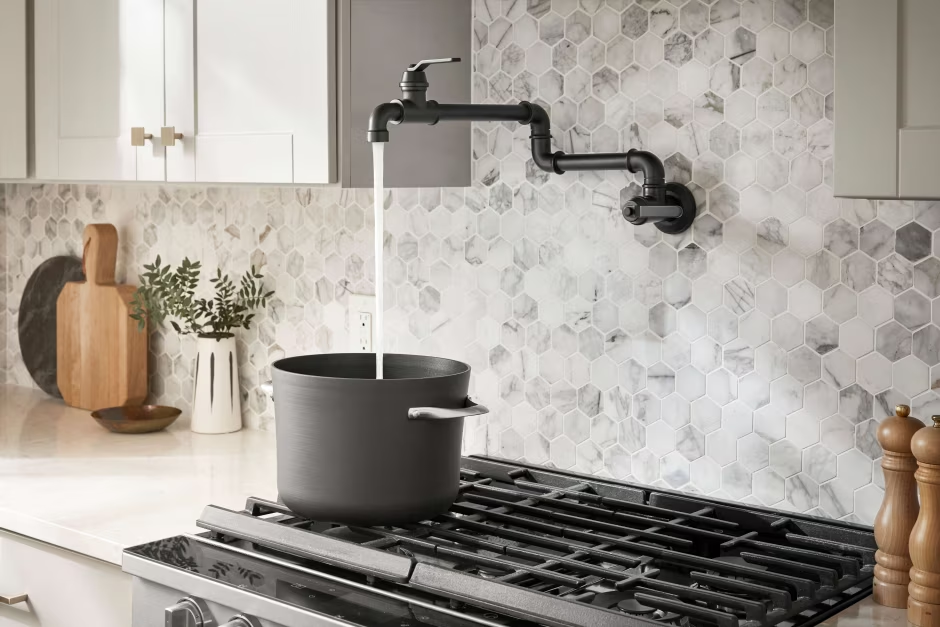
It’s a convenience feature, not a necessity—and that’s where the decision really begins.
When a Pot Filler Is Worth It
I usually recommend a pot filler when a client agrees with at least one of these points:
- You cook often—and with large pots
If you regularly boil pasta, make soups, cook seafood boils, or prepare big family meals, a pot filler saves time and effort. - Your stove is far from your sink
In some layouts, the sink and stove are on opposite sides of the kitchen. A pot filler helps you avoid carrying a heavy pot across the room. - You want a high-end, built-in look
Pot fillers add a custom touch, especially when paired with a beautiful backsplash or a statement stove. - You’re already opening the wall for plumbing
If we’re renovating the kitchen down to the studs, adding the plumbing line is much easier and more cost-effective.
When a Pot Filler Might Not Be Worth It
This is what most designers don’t say out loud
- You don’t cook large meals
If you aren’t regularly filling big pots, you’ll seldom use it. - You’re trying to keep costs down
A pot filler isn’t just the fixture—it’s the plumbing line, shut-off valves, labor, and backsplash cuts. The costs can add up quickly. - You’re worried about leaks
A pot filler is a water source above your stove. While leaks are rare, they can happen. If that worries you, it’s best to skip it. - You prefer a clean, minimal backsplash
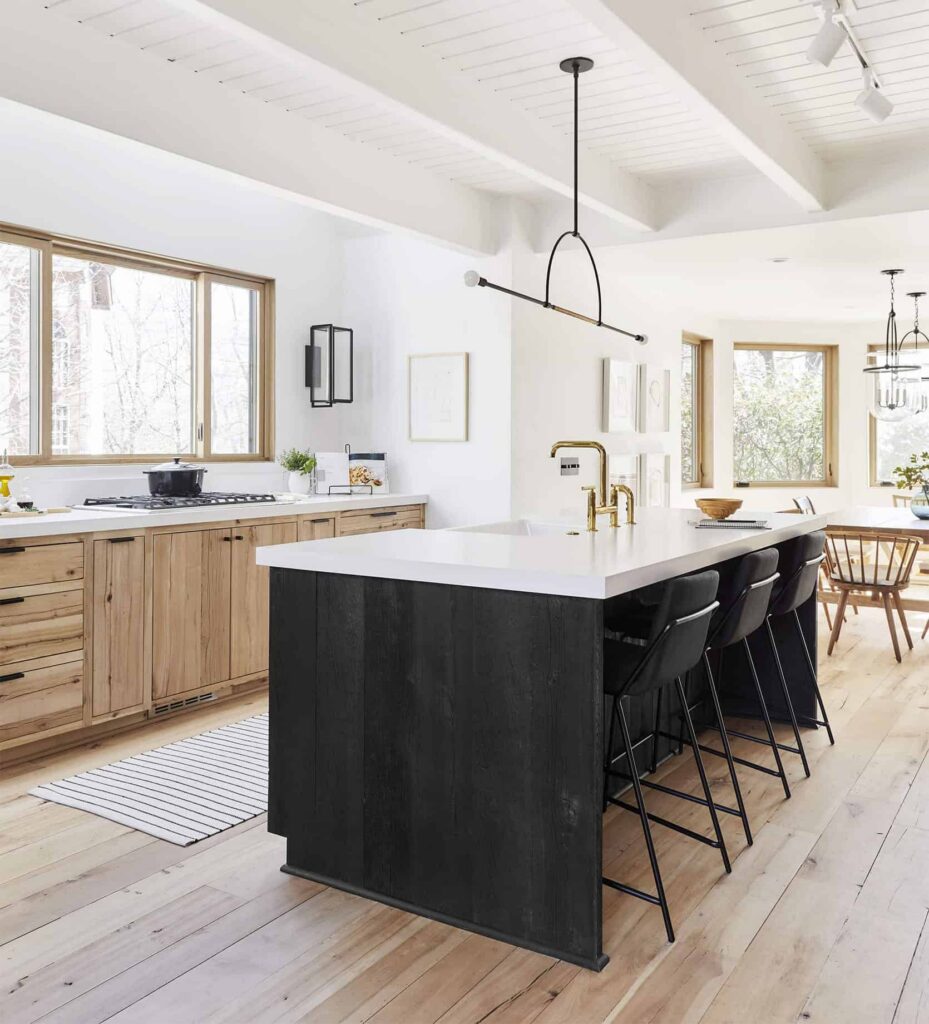
Some homeowners don’t want anything disrupting their tile pattern or slab backsplash. A pot filler can become a visual focal point whether you intend it to or not.
Choosing the Right Style (If You Decide to
Add One)
If you’re considering installing one, here’s how I help clients choose the right look:
Finish
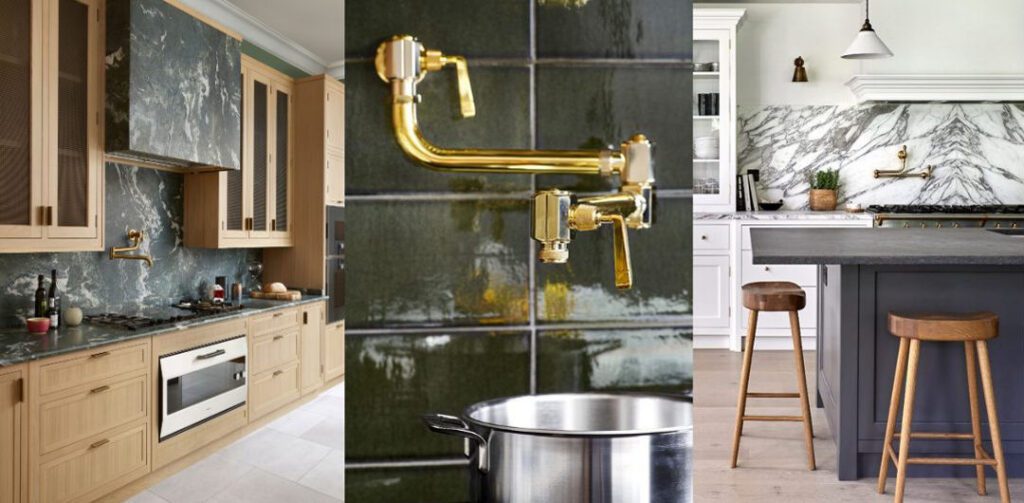
Match it to your faucet or your stove hardware— option works. In coastal Florida, brushed finishes tend to hold up better than polished ones.
Style
- Modern kitchens: sleek, single-arm designs
- Transitional kitchens: double-jointed arms with soft curves
- Traditional kitchens: bridge-style pot fillers with classic details
Placement
The sweet spot is usually 12 to 16 inches above the tallest pot you use. Centering it over the burners is ideal, but we can adjust based on your backsplash design.
Maintenance: The Part No One Talks About
Pot fillers need occasional tightening, cleaning, and checking for drips.
If you’re the type who wants a “set it and forget it” kitchen,
this is something to think about.
My Honest Designer Advice
A pot filler should fit your lifestyle—not just your Pinterest board.
If you cook often, appreciate convenience, and want that custom look, it’s a fantastic upgrade.
If you’re more of a “heat up leftovers and go” household,
your money is likely better spent on lighting, hardware, or storage.
Either way, the goal remains the same: a kitchen that works beautifully for how you actually live.