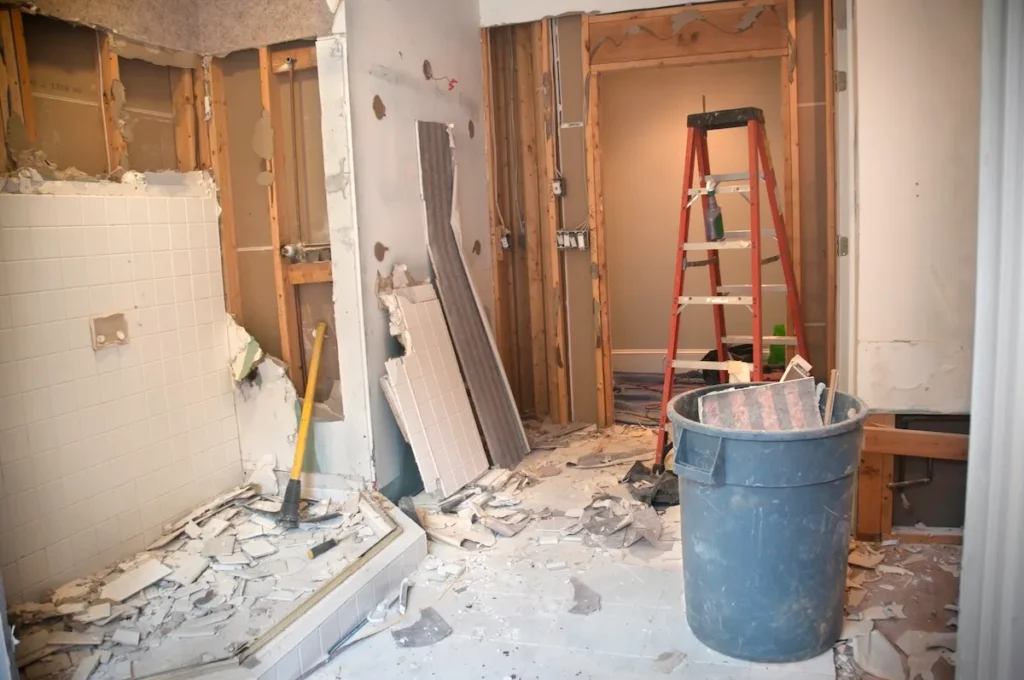
In North Florida, where the weather is humid and storms are not uncommon, waterproofing is not merely a technical detail—it is a design factor. If you want to have a primary bath in Ponte Vedra or a guest suite in Jacksonville, knowing about waterproofing can help you save thousands of dollars in future repairs and more years of use for your renovation.
Why Waterproofing Matters in North Florida
Florida’s climate presents its own set of challenges: High humidity is the main factor for the growth of mold and mildew.
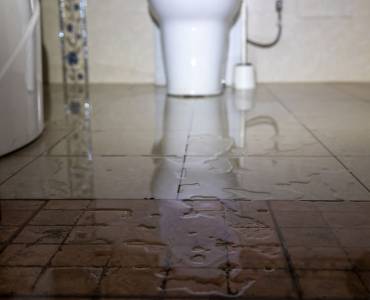
Constant rainfall and flood-prone areas make water invasion even more likely.
Temperature changes can lead to movements in the structure, which will ultimately cause the materials to be overstressed.
Without proper waterproofing, even the most stunning bathroom can be a source of hidden damage if the right waterproofing is not done beforehand.
Key Waterproofing Zones
Shower & Tub Surrounds
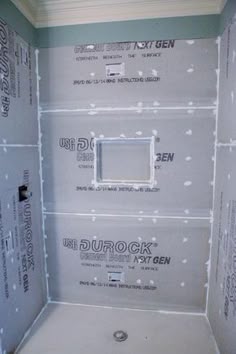
Use cement board (and not drywall) as the tile substrate. Apply a waterproof membrane like Schluter KERDI or RedGard.
Floors
Put a waterproof membrane under tile or luxury vinyl flooring. Make drain slope proper to prevent water accumulation.
Walls
Install moisture-resistant drywall outside of wet areas. In high-humidity zones, use water-resistant paints and sealants.
Materials That Make a Difference
Sheet or liquid waterproofing membranes:
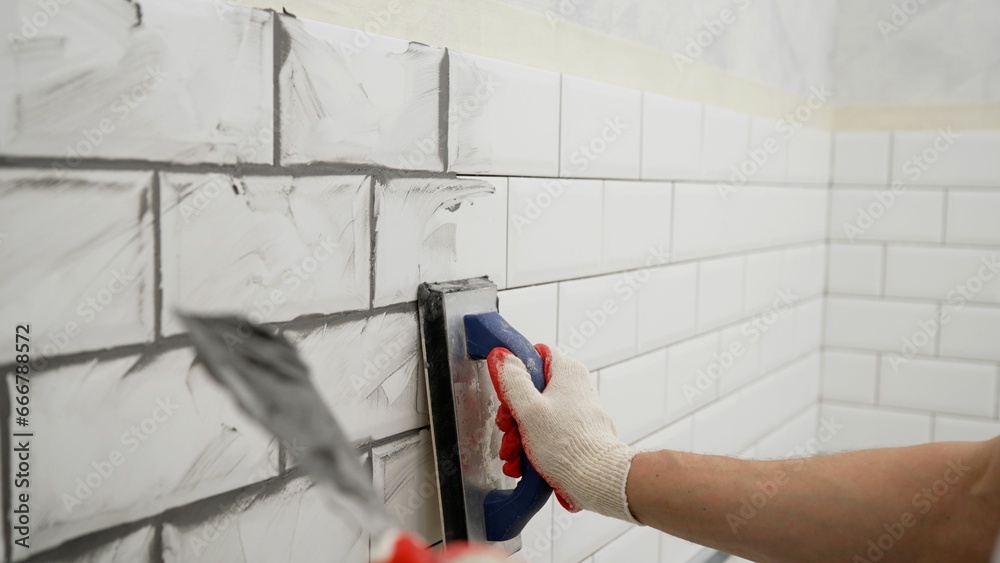
They produce a barrier that keeps moisture away. Epoxy grout is the only type of grout that is at least as good as the traditional ones in durability and also being water resistant.
Mold-resistant caulk and sealants are the most important items to be present around fixtures and joints.
Common Mistakes to Avoid
Skimping on waterproofing behind tiles (the tile itself is not waterproof!)
Shower green boarding is the point of no return in Florida’s climate (it is not enough).
Poor sealing or membrane installation.
Corners, niches, and transitions are not noticed.
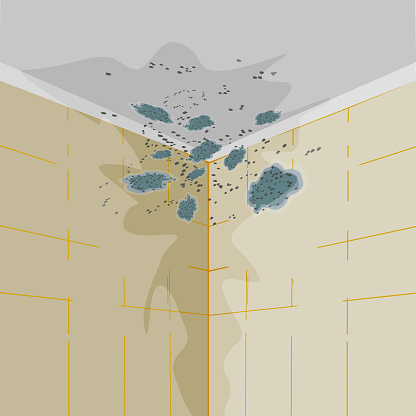
These mistakes lead to mold growth, rotting, and expenses for repairs that are expensive.
Waterproofing And Remodeling Tips That Go Together
– Curbless showers: Stylish and functional bathroom feature, but very precise waterproofing and inclination are needed.
– Built-in niches: Good storage solutions but will need complete sealing and lining with the membrane.
– Floating vanities: Helpful for air circulation and a contemporary look— just make sure that wall penetrations are sealed.
– Heated floors: An elegant feature that goes perfectly with waterproofing membranes made for radiant heat.

Design Tips for a Durable, Beautiful Bathroom
– Pick big tiles to lessen the number of grout lines and cut down on water penetration.
– Choose light, coastal shades that not only mirror North Florida’s laid-back style but also cover up water spots.
– Have glass separators instead of complete enclosures to facilitate airflow and lower mildew risk.
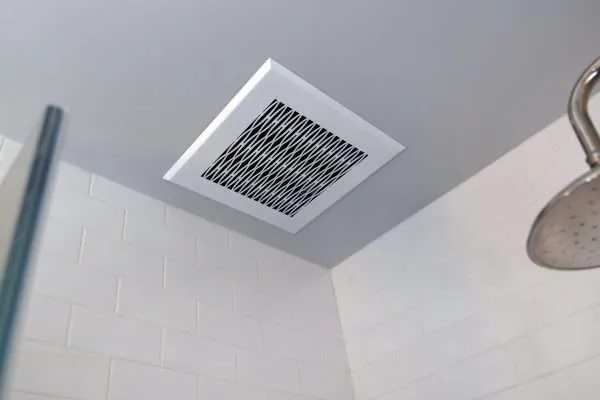
– Include ventilation improvements like humidity sensor exhaust fans to back up your waterproofing efforts.
Why The Investment in Professional Waterproofing Is Justifiable
The benefits of hiring a professional are:
– Adherence to Florida’s building regulations
– Micronized skillful application of membranes and substrates
– Assurance that your investment cannot be affected
Last Thought:
Waterproofing doesn’t really impress your eyes; yet,
it is the base upon which every bathroom renovation
is built— Florida especially. If properly done, it will be
beneficial to your finishing, house, and mind even.
On to the next one……….